
The Dream Hotel ★★★★★

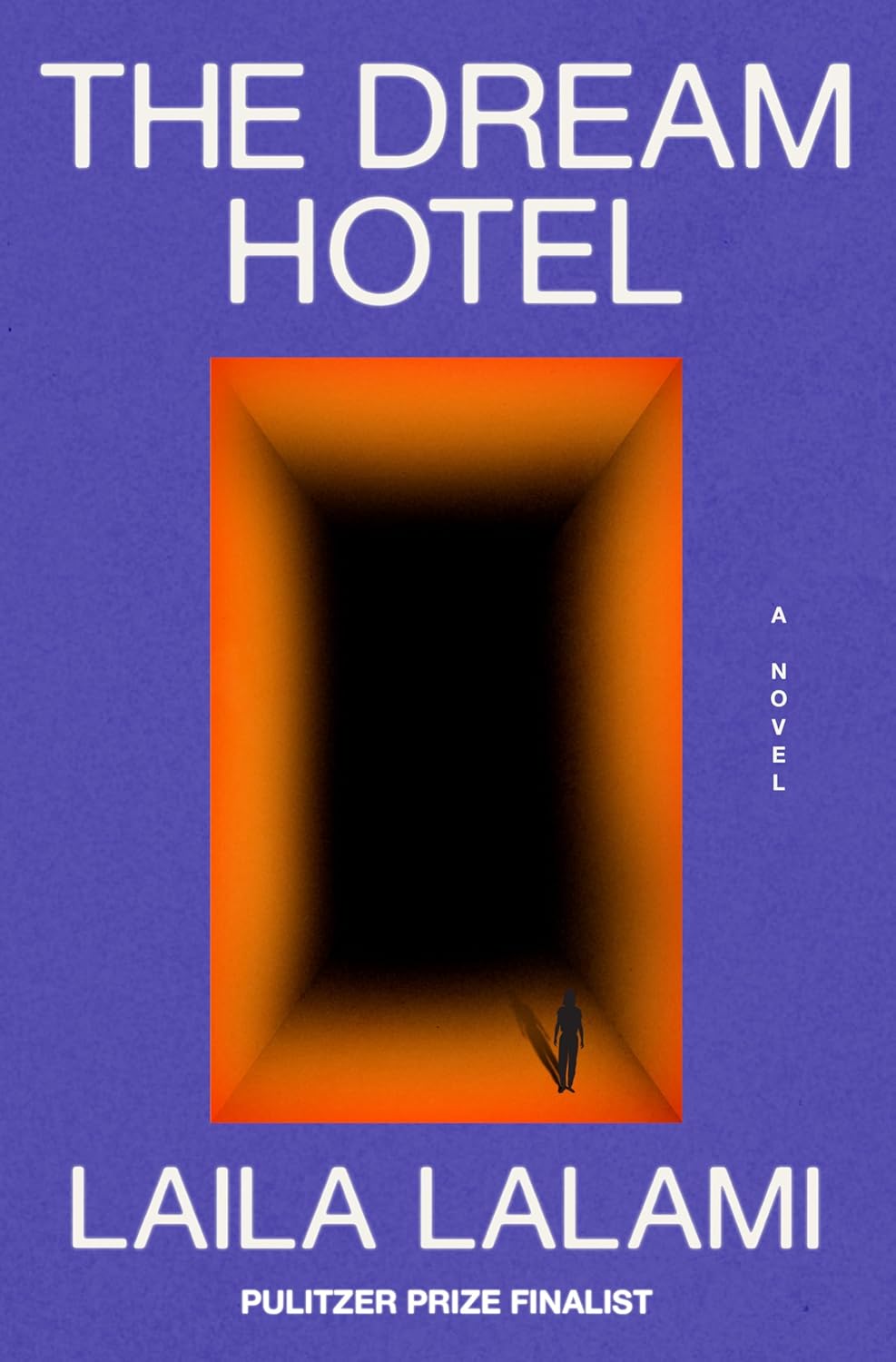
Minority Report meets an authoritarian government that seems just too real to be considered a dystopian future. The real story is not around how the data you share comes back to haunt you but rather about how isolation and the need to survive wears you down. Ultimately, the only thing that works is something you have always been afraid of doing. Well, at least for yourself.
Edition Read
- Author: Laila Lalami
- Format: 336 pages, Kindle
- Published: March 4, 2025 by Pantheon
- ISBN: 9780593317600 (ISBN10: 0593317602)
- ASIN: 0593317602
- Language: English
A novel about one woman’s fight for freedom, set in a near future where even dreams are under surveillance.
Sara has just landed at LAX, returning home from a conference abroad, when agents from the Risk Assessment Administration pull her aside and inform her that she will soon commit a crime. Using data from her dreams, the RAA’s algorithm has determined that she is at imminent risk of harming the person she loves most: her husband. For his safety, she must be kept under observation for twenty-one days.
The agents transfer Sara to a retention center, where she is held with other dreamers, all of them women trying to prove their innocence from different crimes. With every deviation from the strict and ever-shifting rules of the facility, their stay is extended. Months pass and Sara seems no closer to release. Then one day, a new resident arrives, disrupting the order of the facility and leading Sara on a collision course with the very companies that have deprived her of her freedom.
Eerie, urgent, and ceaselessly clear-eyed, The Dream Hotel artfully explores the seductive nature of technology, which puts us in shackles even as it makes our lives easier. Lalami asks how much of ourselves must remain private if we are to remain free, and whether even the most invasive forms of surveillance can ever capture who we really are.
Source: GoodReads
Notable Highlights
She can’t erase or escape her past: the incidents remain on OmniCloud, to be read, scored, and interpreted however the algorithm’s designers intended. We blame the algorithm for our predicament, she thinks, but the algorithm was written by people. That’s who put us at Madison. People, not machines. [loc. 981]
smoke has edged closer—she can see only twenty feet past the bus stop on the highway. “Look,” she says, pointing outside. [loc. 3243]
But what they don’t see, what they can never truly see unless they had been, like her, confined and controlled, is that isolation is the opposite of salvation, that she owes her release to the women who joined together to say no. Freedom isn’t a blank slate, she wants to tell them. Freedom is teeming and complicated and, yes, risky, and it can only be written in the company of others. [loc. 5068]
Member discussion